MSP Cold Calling Script: A Step-by-Step Framework That Books IT Appointments
Listen to this article
Browser text-to-speech
If you own an MSP, you probably don't need another cold-calling script your rep has to read like a teleprompter. You need a short call path your rep can use while listening: find the right person, qualify the company, get one real problem on the table, and ask for the meeting.
A managed services agreement is not getting sold on this call. The job of the call is smaller and much more useful: decide whether the company belongs in your pipeline and earn the next conversation when it does.
Table of Contents
- What an MSP cold call is supposed to accomplish
- Before your rep dials, remove the reasons to stop dialing
- The MSP cold calling script in seven steps
- Watch the call in action
- Leave a voicemail when nobody answers
- Every cold call needs a next task
- What good MSP cold calling activity looks like
- If your rep sounds bad, coach what you can hear
- MSP cold calling script FAQs
What an MSP cold call is supposed to accomplish
A cold call should answer a few basic questions before your rep burns another week chasing the account.
Who handles IT budget and vendor decisions? Is the company big enough to fit your MSP? How are they getting IT support today? Is there a renewal window worth tracking? Is there a problem worth another conversation?
That is enough for a first call.
The call should move from opener to conversation to problem to appointment. If your rep jumps from “Hi, this is…” straight to “Can we get 30 minutes on your calendar?”, the prospect has no reason to say yes yet.
And if your rep spends five minutes explaining your MSP before asking a question, you have the opposite problem. The rep is pitching when they should be learning.
Before your rep dials, remove the reasons to stop dialing
Put the script and callback number on the screen. Your rep should not be digging through notes while somebody is waiting on the phone.
Keep company language factual. Year founded. Staff count. Who you support. Where you are. Cross out “best,” “leading,” and “user-friendly.” Those words do not help a gatekeeper decide where to send the call.
Block the prospecting time, stand up, use a headset, and put notes directly into the CRM while the conversation is happening.
Then dial.
Do not pre-research untouched companies during the call block. The person who answers can tell you in seconds that the company is too small, has internal IT, or is already in a contract. Get the facts first. Research is for a company that has earned more of your rep's time.
The MSP cold calling script in seven steps
For an MSP owner reviewing calls, the sequence should be easy to hear. Your rep does not need a paragraph for every possible answer. They need the next useful question.
1. Ask the gatekeeper who handles the IT support quote
On the first call, use this:
“Hi, it's [Name] calling from [Your MSP]. Who should I speak with about providing a quote for IT support?”
A short opener works because the gatekeeper has very little to screen, and the question asks for information they probably already know.
If that opener fails, use this on the next call:
“Hi, this is [Name] at [Your MSP]. Who handles IT budgeting and vendor decisions there? I only need one name so I can send a short note to the right person.”
Your rep is trying to identify the person who owns IT budget and vendor decisions early. Call 25 is a terrible time to discover that the person you have been chasing cannot approve the spend.
2. Qualify the company with whoever answers
You do not need the decision-maker to learn whether the company fits your MSP.
Ask:
“How many people work there?”
If they ask why:
“Most of our work lands with companies that have 20+ seats -- curious if that fits you.”
Then:
“How are you getting IT support today?”
“How long have you had that arrangement?”
“When does your current arrangement come up for renewal?”
Finding out that a company has only six people can save your rep from spending more time on an account that is too small for your MSP. That gives them more time to call companies you can actually serve.
Do not turn this into the full MSP qualification checklist. Get enough information to decide whether the account deserves another call, then move on.
3. Handle brush-offs with ASK
We use ASK: Acknowledge, State a fact, Keep asking.
The important part is the last word. Keep asking. Your rep should not argue with the person who answered the phone, and they should not surrender every time somebody says the first predictable thing.
If they say, “We already have IT,” try:
“Totally -- lots of folks do. How long have you worked with them?”
If the answer is internal IT:
“Great -- who's the IT lead I should speak with about making their life easier?”
If they use an outside MSP:
“Perfect -- has that relationship been in place more or less than three years?”
If they say, “Send us an email,” confirm the address and ask:
“Can I put a first name on that? Full name is helpful so I don't send it to the wrong person.”
If it is a generic inbox:
“Who's the right person there to get this in front of so it doesn't get lost? I'll follow up and mention your name.”
The email is the consolation prize. The name, company size, current IT arrangement, and follow-up path are what make the next call better than the first one.
4. Confirm you reached the person who can approve the spend
A transfer tells you where the gatekeeper sent the call. It does not prove you reached the person who can approve the budget.
Confirm it:
“Hi [Name], I was speaking with [Gatekeeper] and asked who leads IT budgeting -- am I in the right place?”
If this person cannot approve the spend, ask who does and who else needs to be involved. The next conversation should include the person who can make the budget decision.
Do not confuse the person who can approve the spend with the person who may eventually sign an agreement. Those can be different people.
5. Keep the MSP cold call pitch under seven seconds
Once you have the right person, do not reward them with a company history.
Use this formula:
“I talk with a lot of [role] at [type of company]. Most of them tell me [problem A] or [problem B]. Which one is bigger for you?”
Count it out when you practice. Seven seconds or less.
Use plain language. Your name and your MSP's name are enough company information for this part of the call. An owner is more likely to care about revenue, cost, or risk than your preferred way to describe servers and tooling.
A simple version might sound like this:
“I talk with a lot of owners at [type of company]. Most of them tell me IT cost or IT risk is the bigger issue. Which one is bigger for you?”
Then stop talking.
Your rep asked a real question. Give the prospect enough silence to answer it.
6. Follow one answer until there is a reason to meet
Once the prospect answers, the script has done its job. Your rep should listen and follow the answer instead of racing to the next prepared line.
Start with one problem:
“That sounds important -- tell me the most recent time it happened.”
Then:
“How often does that happen? And how long does it last each time?”
And, when it fits:
“Who on your team has to stop work when this happens? How many people?”
One problem is enough. The cold call needs a reason for another conversation. Full MSP sales discovery belongs in the meeting.
If your rep asks a good question and immediately starts talking again, coach the pause. Silence is not a failed call. Sometimes it is the first moment the prospect has actually had to think about the answer.
7. Ask for the meeting with two time options
When the prospect has described a real problem, ask:
“That sounds like a problem. Is it big enough that you want to fix it?”
If the answer is yes:
“Let's put an hour on the calendar. Does Tuesday or Thursday work better?”
“Morning or afternoon?” works too.
Skip “Do you have your calendar handy?” The rep already knows what happens next. Move to the scheduling choice.
Keep managed services pricing off the cold call. Price belongs after discovery and with the person who can approve the spend involved in the decision conversation.
Watch the call in action
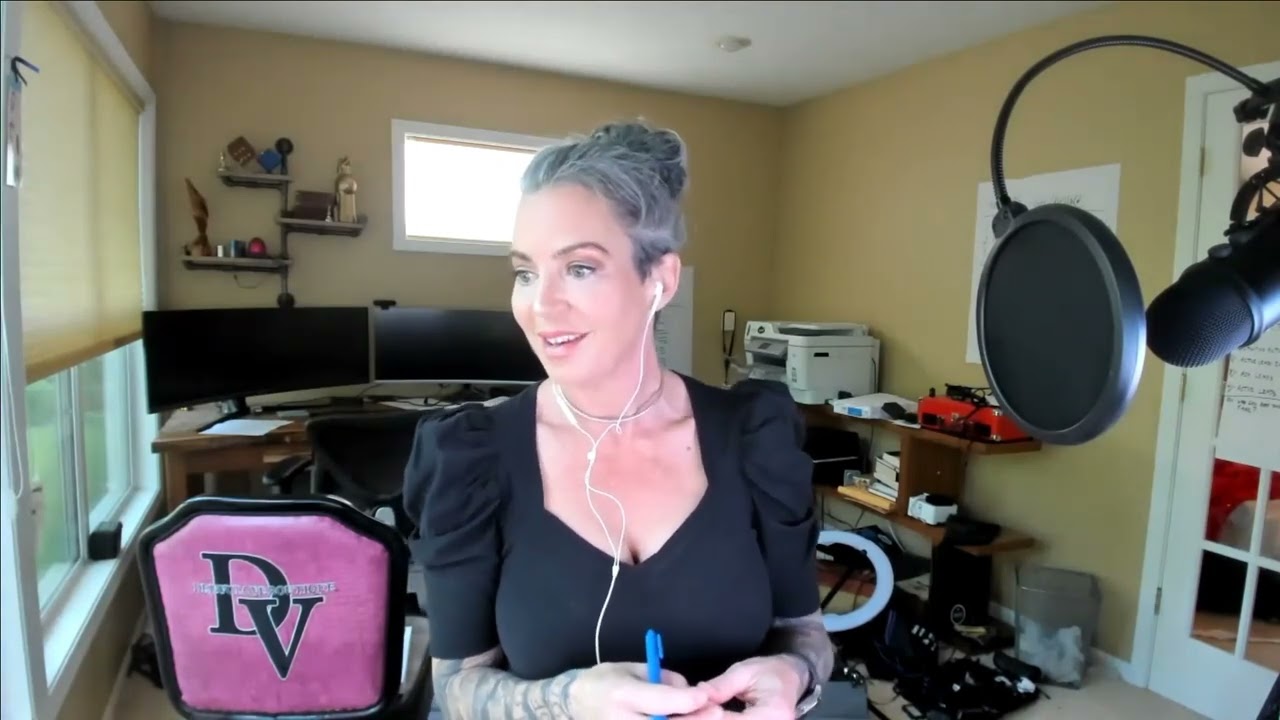
A live call that books a meeting
Video starts at . Other moments from the same calling block:
Timestamp jumps
Why this opener works
Video starts at . Other moments from the same session:
Timestamp jumps
Leave a voicemail when nobody answers
If your rep reaches voicemail, leave one:
“Hi [Name], it's [Name] from [Your MSP] in [City]. I'm calling about [IT support / the conversation you had with ___ on our team]. My number is ___. Again, [Name], [number]. You can also find us at [website].”
Reference a person or earlier conversation when you have one. Say the callback number twice. Make the next attempt on a different day and at a different time.
You do not need a clever voicemail. You need a clear one your rep will actually leave every time.
Every cold call needs a next task
This is where a decent cold call turns into pipeline instead of a pile of notes nobody touches again.
Every touched lead gets a next task with a date in the CRM. Contract renewal is one of the most useful dates your rep can collect because it tells you when the account may become worth another conversation.
Stop calling when the company is clearly outside the target: 10 or fewer staff and under 25 endpoints, an excluded vertical, or no budget and no pain after qualified questioning. Stop when the decision-maker asks you to stop calling, too.
A gatekeeper's “no” does not make a qualified company disappear. Put blocked or not-ready companies into a 90-day nurture and give the next attempt a date.
Missed follow-up is expensive because your rep already did the work to find the account, qualify it, and learn when to come back. Do not make them start over because nobody created the next task.
What good MSP cold calling activity looks like
Fox & Crow uses operating benchmarks for a full-time MSP outbound sales rep working a cleaned list. These are coaching benchmarks, not industry averages.
- 100 dials a day
- About 30 connections per 100 dials
- 9-10 real conversations per 100 dials
- 200-350 dials per first appointment
- At least one first appointment a week
A first appointment, or FTA, is a meeting with the right person or a confirmed path to the person who can approve the spend.
Do not look at one number and decide your rep is bad at cold calling.
If the dial count is low, inspect the call block. If the dials are there and connections are weak, inspect the list. If people answer but your rep cannot get useful sales data, listen to qualification. If qualified conversations are happening and meetings are not, listen to the decision-maker access and meeting ask.
That is what the numbers are for: they tell the MSP owner where to listen next.
If your rep sounds bad, coach what you can hear
Stand up. Use short sentences. Drop filler words. Match the other person's pace.
Then practice the script out loud. Both sides of it.
Reading a cold-calling script silently does not prepare your rep for a gatekeeper who interrupts, a prospect who gives an unexpected answer, or the moment after a good question when the rep has to stop talking.
Hang-ups happen. Make the next dial.
For owners coaching a rep, listen for specific behavior: a long opener, a pitch before qualification, a question followed by another question, a missed pause, or a meeting ask that never comes. Those are coachable. “Be more confident” is not much of a coaching plan.
MSP Sales Process scores your rep's calls, assigns training, and generates coaching instructions from what it hears.
MSP cold calling script FAQs
What should an MSP cold calling script say?
An MSP cold calling script should help the caller identify who handles IT budget and vendor decisions, qualify the company with whoever answers, use a short pitch that ends on an open question, follow one real problem, and ask for the meeting with two time options.
What should an MSP say to a gatekeeper on a cold call?
An MSP can say to a gatekeeper: “Hi, it's [Name] calling from [Your MSP]. Who should I speak with about providing a quote for IT support?” If that first opener fails, the next call can ask who handles IT budgeting and vendor decisions.
How long should an MSP cold call pitch be?
An MSP cold call pitch should be seven seconds or less. Use plain language, keep company information to the caller's name and MSP name, and end with an open question the prospect can answer.
What should an MSP say when a prospect already has IT support?
When an MSP prospect already has IT support, acknowledge it and keep asking: “Totally -- lots of folks do. How long have you worked with them?” The answer helps the rep understand whether the company uses internal IT or an outside provider and what to ask next.
Should an MSP leave a voicemail on a cold call?
An MSP should leave a voicemail when a cold call reaches one. State the caller's name, MSP, city, reason for calling, callback number twice, and website. Reference a person or previous conversation when one exists.
Should an MSP talk about price on a cold call?
An MSP should not quote managed services pricing on a cold call. The cold call should qualify the company, identify the right person, surface a real problem, and earn the meeting. Price comes after discovery with the person who can approve the spend involved.